Navratri in Edinburgh 2026: 9 Nights of Pure Vegetarian Feasting

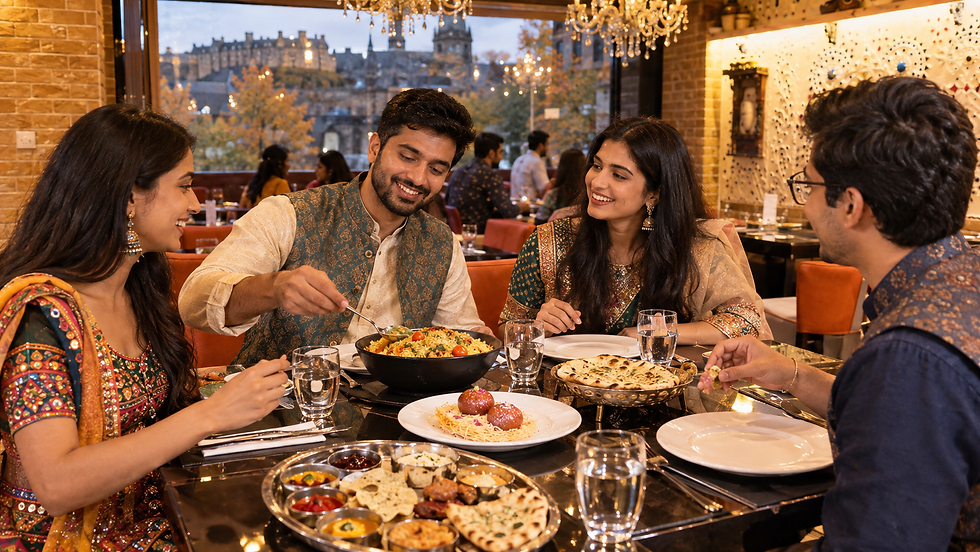
Autumn in Edinburgh has its own rhythm. The evenings draw in earlier, Arthur's Seat catches golden light through the afternoon, and the city starts to feel a little more still. For many Hindu families across Scotland, autumn also brings Navratri, nine nights of prayer, dance and, above all, food that reflects the meaning behind the celebration.
If you are planning to observe Navratri in Edinburgh 2026, or you simply want to experience a corner of Indian tradition through a plate of thoughtful vegetarian cooking, the city has more to offer than you might expect. The trick is knowing where to look and understanding what makes Navratri food a little different from your usual Indian meal out.
What Navratri Really Celebrates
Navratri means "nine nights" in Sanskrit. Over these nine nights, devotees honour the goddess Durga in her many forms, with each day linked to a different aspect of her energy. The festival ends with Vijayadashami, also known as Dussehra, marking the triumph of good over evil.
Sharad Navratri, the autumn edition, is the most widely observed. Communities gather for garba and dandiya raas, the whirling folk dances of Gujarat, and homes fill with the scent of specific foods that only tend to appear at this time of year. It is a festival that lives as much in the kitchen as it does in the temple.
Navratri in Edinburgh: When It Takes Place
Sharad Navratri follows the lunar calendar, so the exact dates shift each year. In 2026, the festival falls in autumn, running for nine nights leading up to Dussehra. If you are planning meals out, catering for family visiting the city, or booking a table for a special evening, it helps to plan ahead.
Edinburgh's Hindu and Gujarati community tends to organise cultural gatherings during this period, and local temples often host aarti and prayer sessions. Restaurants that focus on vegetarian cooking see more interest during these weeks, as many observers avoid onion, garlic, meat, fish and eggs while fasting.
The Foods That Define a Navratri Fast
Fasting during Navratri does not mean going without food. It means eating in a specific way. Most observers avoid grains such as wheat and rice, along with onion, garlic, lentils and any non-vegetarian food.
What remains is a beautiful category of dishes built around ingredients that many people rarely notice in daily cooking:
Sabudana, or tapioca pearls, often turned into khichdi or crisp vada
Kuttu ka atta, buckwheat flour used for puris and pancakes
Singhara atta, a water chestnut flour that gives rotis a nutty depth
Rajgira, or amaranth, popular in parathas and sweet ladoos
Fresh fruits, potatoes, sweet potatoes and dairy
Rock salt, known as sendha namak, in place of regular table salt
The result is a cuisine that feels lighter but stays deeply satisfying. Many people who observe the fast describe it as a chance to reset their eating habits while still enjoying warmth and flavour.
Why the City Fits Navratri Diners
Edinburgh has grown into a genuinely welcoming city for anyone who eats vegetarian or vegan. Students have shaped a lot of that demand, and the restaurant scene has responded. Whether you are studying at the University of Edinburgh, working in the city centre or visiting for a few days, finding a proper vegetarian meal has become far easier than it used to be.
The Newington and Southside area has a small but strong cluster of Indian restaurants near St Patrick Square. This is the part of town where a vegetarian Indian restaurant in Edinburgh has quiet, long-standing roots, and it feels natural that Navratri diners head this way when they want something familiar and comforting.
A Family Restaurant With Half a Century of Vegetarian Cooking
Kalpna Restaurant, a family-run Indian restaurant established in 1975, is one of the longest running vegetarian Indian restaurants in Scotland. It opened at a time when the idea of a fully vegetarian Indian restaurant was still unusual in the UK, and the same family has kept that focus ever since.
The kitchen draws from several regional traditions, including Punjabi, Gujarati and South Indian cooking. That mix matters during Navratri, because different parts of India observe the festival with different foods. A Gujarati household might celebrate with fafda, dhokla and undhiyu, while a South Indian family might prepare sundal and payasam. Having those influences on one menu means there is usually something familiar for whichever community is dining.
You can browse the full range on the Kalpna Restaurant menu, which covers starters, mains and traditional Indian sweets. Not every dish is designed for a strict Navratri fast, but many are naturally suited, and staff are usually happy to talk through what fits your observance.
Regional Dishes Worth Trying During Navratri
If you are planning to eat out during the festival, or hosting family in Edinburgh and looking for ideas, a few regional favourites pair well with the Navratri spirit.
From Gujarat
Gujarati cuisine leans on sweet, sour and gently spiced flavours. Dhokla, the steamed savoury cake made from fermented batter, is a classic afternoon bite. Undhiyu, a slow-cooked mixed vegetable dish, appears on special occasions and carries the warmth of winter produce. Kadhi, a yoghurt and gram flour curry, feels comforting on a cold Edinburgh evening.
From South India
South Indian cooking during Navratri often features sundal, a light preparation of boiled legumes tempered with mustard seeds and curry leaves. Dosas and uttapams also feel at home here, offering a lighter option after several rich meals. These dishes tend to be naturally gentle on the stomach, which suits a nine-night stretch of festive eating.
From Punjab
Punjabi dishes tend to be heartier. Paneer preparations, chana and rich curries dominate the table. During Navratri, cooks often adjust these recipes to omit onion and garlic while keeping the depth of flavour intact through slow cooking, roasted spices and fresh coriander.
Vegan Diners and Navratri
Vegan diners often ask whether Navratri food works for them. The answer is largely yes. Many fasting dishes are already plant-based, particularly those from South Indian and Gujarati traditions. Dairy is common though, so it is worth asking about ghee, paneer and yoghurt in specific dishes before ordering.
For anyone exploring vegan Indian dining in Edinburgh, Navratri is a helpful window. Kitchens are already thinking about lighter, plant-forward cooking, and staff are more used to answering detailed questions about ingredients during the festival period.
Tips for Dining Out During Navratri
Eating out during a fast can feel tricky if you are not sure what to ask for. A few small habits make the whole experience smoother.
Ring ahead or ask at the time of booking whether the kitchen can prepare fasting-friendly dishes
Be specific about what you are avoiding, whether that is onion and garlic, grains, or all of the above
Ask about rock salt versus regular salt if you observe that distinction
Consider going earlier in the evening, particularly on weekends when tables fill quickly
If you are dining with a larger group, plan the order together so everyone gets something they can eat
Booking ahead makes the biggest difference. You can book a table at Kalpna in advance to secure a spot during the busier festival weeks.
Making the Most of Navratri Away From Home
For students and young professionals who moved to Edinburgh for university or work, Navratri can be one of those moments when home feels far away. A shared meal makes a genuine difference. Whether you gather with a few friends after evening prayers or bring family in for a proper sit-down dinner, the food is what carries the memory.
Newington has long been a good part of the city for this. It sits close enough to campus and the city centre to be practical, and the streets themselves have a slightly slower pace. Walking to dinner after a long day of lectures or work can feel like its own small ritual.
Kalpna sits within easy reach of the University of Edinburgh's main campus, which has made it a familiar stop for generations of students marking festivals away from home. During Navratri, the atmosphere often shifts a little. Regulars come in with extended family, conversations run longer, and the room takes on the feel of a shared celebration rather than a straightforward dinner out.
A Festival Best Shared
Navratri, at its heart, is about coming together. The dances are joyful because they are done in circles. The food is meaningful because it is prepared with care and eaten with others. Even for those who do not observe the fast in a strict religious sense, the festival is a good excuse to sit down with people you care about and share a proper vegetarian meal.
Edinburgh in autumn suits this well. The city slows, the days get shorter, and there is something appropriate about gathering around a warm plate of food when the wind picks up outside. Navratri in Edinburgh 2026 offers exactly that kind of opportunity, whether you observe the tradition fully, keep to it partially, or simply enjoy the food and company it brings.
FAQs
Q: When does Navratri 2026 take place in Edinburgh? A: Sharad Navratri 2026 follows the lunar calendar and falls in autumn, with nine nights leading up to Dussehra. Local temples and cultural groups in Edinburgh usually publish specific event listings closer to the time, so it is worth checking with community organisers for exact dates.
Q: Is Kalpna Restaurant suitable for people fasting during Navratri? A: Kalpna serves purely vegetarian food, which makes it a natural fit for many Navratri observers. If you follow strict fasting rules that exclude onion, garlic or grains, mention this when booking so the team can guide you towards suitable dishes.
Q: Are there vegan options for Navratri diners? A: Yes. Many South Indian and Gujarati dishes are naturally plant-based. Ask about ghee, paneer and yoghurt in specific preparations if you follow a fully vegan diet.
Q: Where is Kalpna Restaurant located in Edinburgh? A: Kalpna is based in the Newington area of Edinburgh, near St Patrick Square, within walking distance of the University of Edinburgh's main campus and the city centre.
Q: Do I need to book a table during Navratri? A: Booking ahead is a good idea, particularly on weekends and evenings during festival weeks. Restaurants in the Newington area tend to fill up during autumn events, so a reservation helps you avoid disappointment.
Q: What kind of Indian cuisine does Kalpna serve? A: The menu draws on Punjabi, Gujarati and South Indian traditions, all cooked in a purely vegetarian kitchen. The restaurant has been family-run since 1975.


Comments