
How Indian Pickles, Chutneys and Accompaniments Complete a Meal


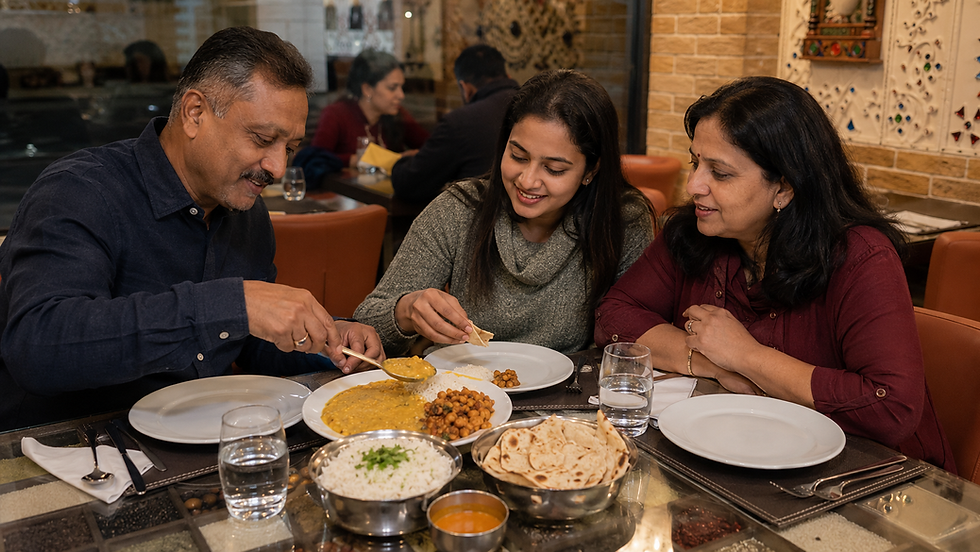
Ask anyone who grew up eating Indian food what makes a meal feel truly complete, and there is a good chance they will mention the small bowls sitting quietly at the edge of the plate. A spoonful of tangy pickle, a dollop of cooling chutney, a side of crisp papad. These accompaniments rarely take centre stage, yet without them, even the most carefully cooked curry can feel like it is missing something.
At Kalpna, a well-established vegetarian restaurant Edinburgh diners have trusted since 1975, we understand that the details matter just as much as the main dish. In this blog, we will explore the world of Indian pickles, chutneys, and accompaniments, what they are, why they exist, and how they quietly transform an ordinary meal into a genuinely satisfying one.
Why Accompaniments Matter So Much in Indian Cuisine
Indian meals are built around balance, sweet against sour, spicy against cooling, rich against light. Pickles, chutneys, and other side accompaniments exist specifically to create that balance. A single bite of a heavy, spiced curry paired with a touch of tangy pickle or cooling raita suddenly feels more rounded, more complete, and easier to enjoy in larger quantities.
This is not a modern culinary trend either. Accompaniments have been part of Indian dining for centuries, shaped by both flavour philosophy and practicality, particularly when it comes to pickles, which were originally developed as a way to preserve seasonal produce.
Indian Pickles: Tangy, Spiced, and Deeply Traditional
Known as "achar," Indian pickles are unlike anything found in most Western cuisines. Rather than the vinegar-based pickles common elsewhere, Indian pickles are typically preserved in oil and a blend of spices, resulting in something far more intense and complex.
Mango pickle, made from raw, unripe mangoes, is perhaps the most iconic version, sharp, tangy, and often quite spicy. Lime pickle offers a similar tang with a slightly more bitter edge from the citrus peel. Mixed vegetable pickle combines carrots, cauliflower, and other seasonal vegetables into one robust, spiced preserve. Green chilli pickle is made for those who want an extra layer of heat alongside their meal.
These pickles are traditionally prepared in large batches, often sun-dried for days as part of the preservation process, a practice passed down through generations of Indian households.
Chutneys: The Cooling and Contrasting Counterpart
While pickles bring intensity, chutneys often bring balance in the opposite direction, cooling, fresh, and sometimes sweet. Mint and coriander chutney, blended with green chillies and lemon, offers a refreshing, herby contrast to spicier dishes. Tamarind chutney, sweet and tangy, is a staple alongside snacks like samosas and chaat. Coconut chutney, popular across South India, pairs beautifully with dosas and idlis, offering a mild, creamy contrast to those crisp, fermented dishes. Tomato chutney, slow-cooked with spices, adds a rich, slightly sweet depth that works well alongside both breads and rice.
Where pickles are typically eaten in small amounts due to their intensity, chutneys are often more generous, sometimes even forming a central part of the dish rather than a side note.
Raita and Yoghurt-Based Accompaniments
No discussion of Indian accompaniments would be complete without raita, a yoghurt-based side dish that plays a crucial cooling role, particularly alongside spicier mains. Cucumber raita, mixed with cumin and a touch of salt, is perhaps the most common version, offering instant relief from heat. Boondi raita, made with small fried gram flour balls soaked in spiced yoghurt, adds a slightly textured, savoury twist.
Raita is particularly valued because of yoghurt's natural cooling properties, making it an especially popular accompaniment during warmer months or alongside particularly rich, spice-heavy dishes.
Papad: The Crunch That Ties It All Together
Papad, a thin, crisp lentil or gram flour wafer, might seem like a minor addition, but it plays an important textural role in Indian dining. Roasted or fried until crisp, papad offers a satisfying crunch that contrasts beautifully against the softness of dal, rice, and curry. It is often broken into pieces and eaten alongside the main meal, adding both texture and a subtle, toasted flavour.
How Accompaniments Fit Into a Thali
A well-composed Indian thali is really a study in how accompaniments complete a meal. Alongside the main curry, dal, rice, and bread, a proper thali almost always includes a small pickle, a spoon of chutney, and sometimes raita, arranged carefully around the plate. For a deeper explanation of how this format works and why it remains such a central part of Indian dining, our detailed guide on what Indian thali really means breaks down its structure and significance.
Accompaniments and Chaat: A Perfect Partnership
Few dishes rely as heavily on accompaniments as chaat does. Nearly every chaat dish is built around a foundation of chutneys, tamarind for sweetness, mint for freshness, and yoghurt for cooling contrast, layered together with a crisp or starchy base. Without these accompaniments, chaat simply would not exist in the form we know it today.
The Role of Spices in Pickles and Chutneys
Much of what gives Indian pickles and chutneys their distinctive character comes down to spice. Mustard seeds, fenugreek, and asafoetida are commonly used in pickle preparation, contributing both flavour and natural preservative qualities. Turmeric, too, frequently appears, valued not just for its colour but for its long-standing role in Indian cooking and wellness traditions. Our earlier article on turmeric's health benefits explores this spice in more depth, including why it remains such a staple across Indian kitchens.
Are Indian Accompaniments Vegetarian and Vegan Friendly?
The vast majority of Indian pickles and chutneys are naturally vegetarian, and many, aside from yoghurt-based raita, are entirely vegan as well. Coconut chutney, tamarind chutney, and most pickle varieties rely on plant-based ingredients from start to finish, making them an easy, flavourful addition for anyone following a plant-based diet. This is one of the many small details that make exploring Indian food Edinburgh has to offer such an approachable experience for vegetarians and vegans alike.
Bringing These Traditions to the Table at Kalpna
Since 1975, Kalpna has built a reputation as an award winning restaurant Edinburgh guests return to, not just for our main dishes, but for the small, thoughtful details that make a meal feel complete. Located in the heart of the city, our Edinburgh Old Town restaurant setting makes us easy to visit whether you are exploring nearby or simply searching for somewhere reliable to eat.
Our full menu reflects this same attention to detail, pairing thoughtfully prepared mains with accompaniments that genuinely enhance the meal rather than sitting there as an afterthought. If you would like to learn more about how Kalpna became such a lasting part of Edinburgh's food scene, our about page shares that story in full.
Planning a group meal or special celebration? Our events page covers everything from casual bookings to private dining, where a well-rounded spread of accompaniments always plays a part. And if you have any questions before visiting, our contact page includes directions, phone details, and opening hours.
Frequently Asked Questions
Q: What is the difference between an Indian pickle and a chutney?
A: Indian pickles are typically preserved in oil and spice over a longer period, resulting in an intense, tangy flavour, while chutneys are usually freshly prepared and offer a milder, often cooling contrast to the main dish.
Q: Are Indian pickles very spicy?
A: Many are, though spice levels vary widely. Pickles like mango or green chilli tend to be quite intense, while others, like lime pickle, offer more tang than heat.
Q: Is raita necessary with every Indian meal?
A: Not necessary, but it is a popular addition, particularly alongside spicier dishes, since the yoghurt base helps balance heat and adds a cooling contrast to the meal.
Q: Are Indian chutneys vegan?
A: Most are. Chutneys made from tamarind, mint, coriander, coconut, or tomato are naturally plant-based, making them a great accompaniment for vegan diners.
Q: Why is papad served with Indian meals?
A: Papad adds a satisfying crunch and toasted flavour that contrasts nicely with the softer textures of curry, dal, and rice, rounding out the overall eating experience.
Final Thoughts
Indian pickles, chutneys, and accompaniments may sit quietly at the edge of the plate, but their role in completing a meal is anything but small. From the sharp intensity of achar to the cooling comfort of raita, these details reflect the same careful balance found throughout Indian cuisine as a whole. The next time you sit down to an Indian meal, take a moment to appreciate those little bowls on the side, they are doing more work than you might think.


Comments