Indian Lentil Dishes Explained: Understanding Dal in Indian Cuisine

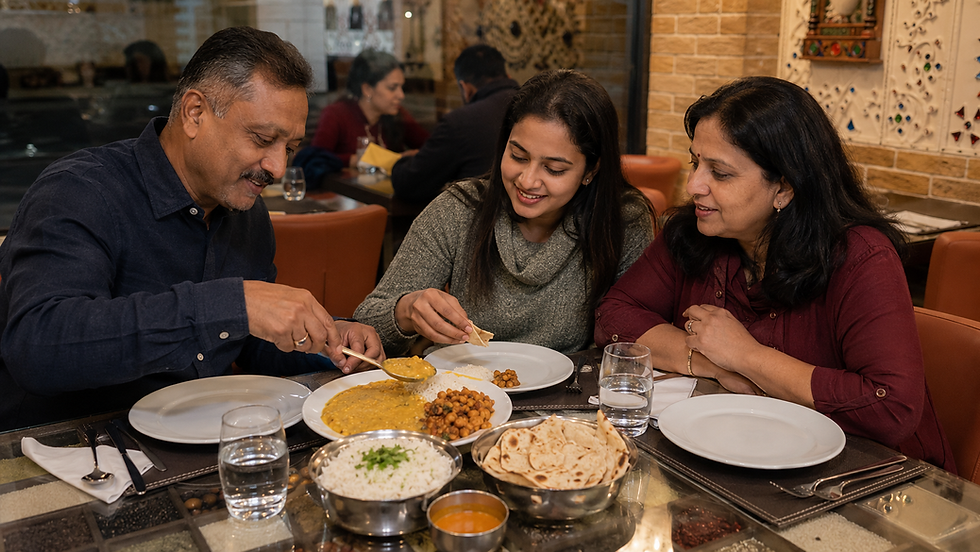
If there is one dish that ties Indian households together across every region, religion, and income level, it is dal. Simple, comforting, and endlessly adaptable, dal is the quiet backbone of Indian vegetarian cooking, the dish most people grow up eating almost daily, yet rarely stop to think about in detail. It rarely gets the spotlight the way a rich curry or a crisp dosa might, but ask any Indian family what feels like a "proper meal," and dal is almost always part of the answer.
At Kalpna, a well-established vegetarian restaurant Edinburgh diners have trusted since 1975, dal has always held a special place on our menu, exactly as it does in Indian homes. In this blog, we will explore what dal actually is, the different lentils and preparations used across India, and why this humble dish remains one of the most important parts of Indian vegetarian cuisine.
What Exactly Is Dal?
"Dal" refers to two things at once, the dried, split lentils, peas, or beans themselves, and the cooked dish made from them. In its dish form, dal typically involves lentils simmered until soft, then tempered with spices, usually cumin, mustard seeds, garlic, and dried chillies, fried briefly in oil or ghee and poured over the top just before serving.
This final tempering step, known as "tadka" or "chaunk," is where much of dal's flavour actually comes from. The lentils themselves are fairly mild on their own, it is the spiced oil poured over at the end that gives each dal its distinctive character.
The Many Varieties of Lentils Used in Indian Cooking
Part of what makes dal so endlessly varied is the sheer range of lentils and pulses used across Indian kitchens, each with its own texture, cooking time, and flavour profile.
Toor dal, also known as pigeon pea, is one of the most widely used lentils in India, forming the base of many everyday dals, particularly in western and southern regions. Moong dal, small and quick-cooking, is prized for being light and easy to digest, often recommended during illness or for those with sensitive digestion. Masoor dal, or red lentils, cook quickly and turn a soft golden colour, making them a popular choice for simple, everyday dals. Chana dal, made from split chickpeas, has a firmer bite and nuttier flavour, often used in slightly heartier preparations. Urad dal, black lentils, are richer and creamier, forming the base of one of India's most famous lentil dishes.
Each of these lentils brings something different to the table, and many Indian households keep several varieties on hand, choosing which to cook based on mood, season, or what pairs best with the rest of the meal.
Dal Makhani: The Rich, Indulgent Classic
Few dals are as instantly recognisable as dal makhani, a rich, slow-cooked dish made primarily from whole urad dal and kidney beans, simmered for hours with butter, cream, and a deep, warming blend of spices. Originating from Punjab in North India, dal makhani has become one of the most popular Indian dishes served both within India and internationally.
What sets dal makhani apart is patience. Traditional preparation involves cooking the lentils low and slow, sometimes overnight, allowing the flavours to deepen and the texture to become velvety and smooth. Our dal makhani Edinburgh guests order regularly is prepared with exactly this care, slow-simmered until rich, buttery, and deeply comforting.
Everyday Dals: The Dishes Eaten Daily Across India
While dal makhani is often reserved for special meals or restaurant dining, most Indian households eat a far simpler style of dal on a daily basis. Dal tadka, made from toor or moong dal and finished with a simple tempering of cumin, garlic, and dried red chilli, is a staple across much of North India. Dal fry adds a touch more richness than tadka, often including onions and tomatoes cooked into the base before the lentils are added. Sambar, popular across South India, combines toor dal with tamarind, vegetables, and a distinct spice blend, offering a tangier, more complex take on everyday dal. Panchmel dal, meaning "five lentil dal," combines multiple varieties of lentils into one dish, common in Rajasthan and parts of western India.
These everyday dals may lack the richness of dal makhani, but they represent something equally important, the reliable, comforting meal Indian families return to again and again.
Why Dal Is So Central to Indian Vegetarian Cooking
Dal's importance in Indian cuisine goes beyond flavour. Lentils are an excellent source of plant-based protein, fibre, and essential minerals, making dal a nutritionally complete part of a vegetarian meal, particularly when paired with rice or roti to form a complete protein profile. This is one of the key reasons Indian vegetarian cooking has remained so nutritionally balanced for centuries, long before "plant-based protein" became a modern wellness buzzword.
For a broader look at how dishes like dal contribute to overall wellbeing within a vegetarian Indian diet, our earlier article on the health benefits of eating vegetarian Indian food explores this connection in more depth.
The Role of Spices in Building Dal's Flavour
Although lentils form the base of any dal, spices are what truly define its character. Cumin and mustard seeds are used almost universally in tempering, providing that signature aromatic base most dals share. Turmeric is added early in cooking, lending both colour and its well-known role in Indian culinary and wellness tradition. Garlic, ginger, and dried red chillies round out the tempering, adding warmth and depth without overwhelming the lentils themselves.
This careful, layered use of spice is part of a wider pattern found throughout Indian cooking, where spices are chosen not just for heat, but for balance and digestive benefit. Our earlier guide on Indian spices and their health benefits goes further into how these same spices are used across Indian cuisine more broadly.
Dal Across Regional Indian Cuisine
Much like other aspects of Indian food, dal varies significantly from region to region. North Indian dals tend to be richer, often finished with ghee, cream, or butter, and served alongside roti or naan. South Indian dals lean tangier and spicier, frequently incorporating tamarind and curry leaves, and are usually paired with rice rather than bread. This reflects the same broader North-South culinary divide found throughout Indian vegetarian cooking, shaped by climate, staple grains, and centuries of regional tradition, with dal simply being one of the clearest, most everyday examples of that difference.
Dal as Part of a Complete Indian Meal
Dal rarely stands alone on an Indian plate. It is almost always paired with rice or bread, and often accompanied by a vegetable curry, pickle, and yoghurt, forming a complete, balanced meal. This pairing is not accidental, rice or roti combined with lentils creates a more complete amino acid profile than either ingredient offers alone, something Indian cooking has intuitively understood for generations, well before the science behind it was formally studied.
Bringing Authentic Dal to the Table at Kalpna
Since 1975, Kalpna has remained one of Scotland's most trusted names for genuine vegetarian Indian cooking, and dal has always been at the heart of that tradition. Our full menu features a range of lentil-based dishes, from the rich indulgence of dal makhani to lighter, everyday preparations, giving guests the chance to experience this staple exactly as it is enjoyed across Indian households.
To learn more about how Kalpna became such a lasting part of Edinburgh's food scene, our about page shares that story in full. Planning a group meal or gathering? Our events page covers everything from casual bookings to private dining, where a comforting bowl of dal is always a welcome addition to the table. And if you would like to book a table or have any questions before visiting, our contact page includes directions, phone details, and opening hours.
Frequently Asked Questions
Q: What is the difference between dal and lentils? A: Lentils refer to the dried pulses themselves, while dal refers to both the lentils and the finished cooked dish, typically simmered and finished with a tempering of spices.
Q: Is dal a good source of protein? A: Yes, lentils are an excellent source of plant-based protein and fibre, particularly when paired with rice or roti, which helps create a more complete amino acid profile.
Q: What makes dal makhani different from everyday dal? A: Dal makhani is a richer, slow-cooked dish made with whole urad dal, kidney beans, butter, and cream, whereas everyday dals like tadka or fry are lighter and quicker to prepare.
Q: Is dal always vegetarian and vegan? A: Dal is always vegetarian, and many varieties are naturally vegan too, though richer dishes like dal makhani often include butter or cream, which can usually be adjusted on request.
Q: Why do different regions of India cook dal so differently? A: Regional differences in climate, staple grains, and local ingredients have shaped distinct dal traditions across India, with North Indian dals often richer and South Indian dals typically tangier and spicier.
Final Thoughts
Dal may not always get the recognition it deserves, but it remains one of the most important and beloved dishes in Indian vegetarian cooking. From the everyday comfort of a simple tadka to the rich indulgence of dal makhani, this humble lentil dish reflects everything that makes Indian food so satisfying, thoughtful spicing, balanced nutrition, and generations of tradition simmered into every bowl.


Comments