The Health Benefits of Eating Vegetarian Indian Food


Healthy eating has become a major focus for people around the world. More individuals and families are paying closer attention to what they eat, how food affects their wellbeing, and how they can build healthier habits without sacrificing flavour. As plant-based diets continue to grow in popularity, many people are discovering that some of the world's most nutritious cuisines have been embracing vegetarian cooking for centuries.
One of the best examples is vegetarian Indian food. Known for its rich flavours, vibrant colours, and diverse ingredients, Indian vegetarian cuisine offers far more than delicious meals. It provides a naturally balanced way of eating that combines vegetables, legumes, whole grains, herbs, and spices into satisfying and nourishing dishes.
Unlike many modern convenience foods, traditional Indian cooking relies on fresh ingredients and time-tested preparation methods. Every meal is designed to create balance, providing a combination of protein, fibre, healthy carbohydrates, and beneficial spices.
As more diners seek healthier options across restaurants Edinburgh, vegetarian Indian cuisine continues to attract attention for its nutritional value and incredible variety. At Kalpna Restaurant Edinburgh, guests can enjoy authentic vegetarian dishes that celebrate both flavour and wellness, proving that healthy food can be deeply satisfying and enjoyable.
Why Vegetarian Indian Food Is Naturally Healthy
One reason vegetarian Indian food has stood the test of time is that it was built around nutrition long before modern wellness trends emerged. For generations, Indian households have relied on vegetables, lentils, legumes, grains, and spices as the foundation of daily meals.
Traditional Indian vegetarian cuisine focuses heavily on whole foods rather than processed ingredients. Meals are often prepared from scratch using fresh vegetables, pulses, herbs, and natural seasonings.
Another advantage is balance. Rather than restricting food groups, Indian cooking combines complementary ingredients that work together nutritionally. Lentils provide protein, vegetables supply vitamins and minerals, grains deliver energy, and spices contribute additional health benefits.
Cooking methods also play an important role. Many traditional dishes are steamed, boiled, simmered, or slow-cooked, helping preserve nutrients while creating rich flavours.
This approach makes vegetarian Indian cuisine feel sustainable and satisfying rather than restrictive. It is a style of eating that supports long-term health while remaining enjoyable every day.
Top 7 Health Benefits of Vegetarian Indian Cuisine
1. Rich in Plant-Based Protein
Lentils, chickpeas, beans, and peas are essential ingredients in Indian cooking. These foods provide valuable plant-based protein that helps support muscle maintenance, energy levels, and overall health.
2. High in Dietary Fibre
Vegetables, legumes, and whole grains contribute significant amounts of fibre. This supports digestive health, promotes regularity, and helps people feel fuller for longer.
3. Supports Heart Health
Traditional vegetarian Indian meals are naturally lower in saturated fats than many processed foods. When prepared using traditional methods, they can support healthy cholesterol levels and overall cardiovascular wellbeing.
4. Boosts Immunity
Many ingredients commonly used in Indian cooking have recognised immune-supporting properties. This is one reason indian spices health benefits continue to attract scientific interest worldwide.
5. Helps with Weight Management
Vegetarian Indian dishes are often nutrient-dense while remaining naturally filling. High fibre content can help reduce overeating and support healthy weight management goals.
6. Improves Gut Health
A diet rich in fibre supports beneficial gut bacteria. Fermented foods found in some Indian cuisines can also contribute to digestive wellness.
7. Naturally Balanced Nutrition
Traditional Indian meals combine carbohydrates, protein, fibre, and healthy fats in a way that provides complete and balanced nourishment.
The Role of Indian Spices in Health and Wellness
Spices are one of the defining characteristics of Indian cuisine. Beyond adding flavour and aroma, many spices contain natural compounds that contribute to overall wellbeing.
Turmeric
Turmeric is one of the most researched spices in the world. It contains curcumin, a compound known for its anti-inflammatory properties. Turmeric is often associated with supporting joint health, immunity, and general wellness.
Cumin
Cumin is widely used throughout Indian cooking. It may help support digestion and nutrient absorption while adding a warm and earthy flavour to dishes.
Coriander
Coriander offers a refreshing flavour and has long been valued in traditional cooking for its cooling properties. It is often included in dishes designed to feel light and balanced.
Ginger
Ginger is frequently used in curries, soups, and teas. It is widely recognised for supporting digestion and helping reduce feelings of nausea.
Garlic
Garlic is valued for both flavour and health benefits. It has long been associated with supporting heart health and natural immune function.
The indian spices health benefits found in traditional recipes demonstrate how Indian cuisine combines flavour with functionality in a unique and natural way.
Why Lentils and Legumes Are the Heart of Vegetarian Indian Food
Few ingredients are as important to vegetarian Indian food as lentils and legumes. These humble ingredients have been central to Indian diets for centuries.
Lentils provide protein, fibre, iron, and essential nutrients while remaining affordable and versatile. They can be transformed into soups, curries, stews, and side dishes.
Popular examples include:
Dal Tadka
Chana Masala
Rajma Curry
Sambar
Dal Makhani
Proper preparation techniques such as soaking and slow cooking help improve digestibility and flavour. This makes legumes an excellent source of nutrition for everyday meals.
How Vegetarian Indian Food Supports a Balanced Diet
One of the greatest strengths of Indian vegetarian cuisine is its ability to create naturally balanced meals.
Protein and Energy Balance
Classic combinations such as lentils and rice provide complementary nutrients that work together effectively.
Fibre for Digestion
Vegetables, pulses, and whole grains help support digestive health while providing sustained energy.
Healthy Carbohydrates
Rice, roti, millet, and other grains provide complex carbohydrates that fuel daily activities.
Natural Fats
Traditional recipes often use moderate amounts of natural fats while avoiding excessive processing.
The result is a cuisine that delivers complete nutrition without relying on highly processed ingredients.
Vegetarian Indian Food and Modern Healthy Lifestyles
As awareness of nutrition grows, more people are moving away from heavily processed foods and embracing plant-based eating.
Vegetarian Indian cuisine aligns naturally with these modern wellness trends. It offers nutrient-rich meals made from recognisable ingredients while maintaining incredible flavour.
Many people are discovering that healthy eating does not need to be bland or restrictive.
Indian cuisine demonstrates how vegetables, legumes, and spices can create meals that feel both nourishing and indulgent.
This shift is becoming increasingly visible across restaurants Edinburgh as demand for healthier dining options continues to rise.
Why Vegetarian Indian Food Is Popular in Edinburgh
Edinburgh's food scene has become increasingly diverse over the past decade. Alongside this growth, there has been greater interest in vegetarian and vegan dining.
Students, professionals, families, and visitors are all seeking healthier alternatives that still provide flavour and satisfaction. Vegetarian Indian cuisine meets these expectations exceptionally well.
Its variety, affordability, and nutritional value make it appealing to a wide audience. Indian restaurants have become an important part of Edinburgh's vegetarian dining culture, helping introduce more people to plant-based meals that feel exciting and enjoyable.
Healthy Dishes You Can Find in Vegetarian Indian Cuisine
Many traditional dishes deliver impressive nutritional value while remaining comforting and satisfying.
Lentil-Based Curries
Dal Tadka
Dal Makhani
Vegetable Curries
Aloo Gobi
Mixed Vegetable Curry
Chickpea Dishes
Chana Masala
Rice-Based Meals
Vegetable Biryani
Lemon Rice
South Indian Specialities
Idli
Dosa
Sambar
These dishes showcase the diversity and nutritional strength of vegetarian Indian cuisine.
Why Kalpna Represents Healthy Vegetarian Indian Dining in Edinburgh
Kalpna has built a reputation as one of the most respected vegetarian dining destinations in Edinburgh.
Fresh Ingredients
Seasonal vegetables, quality legumes, and carefully selected spices form the foundation of the menu.
Traditional Cooking Methods
Recipes are prepared using authentic techniques that preserve both flavour and nutritional value.
Naturally Vegetarian Menu
The menu is entirely focused on vegetarian cuisine, offering a wide range of choices for different preferences.
Wholesome Meal Options
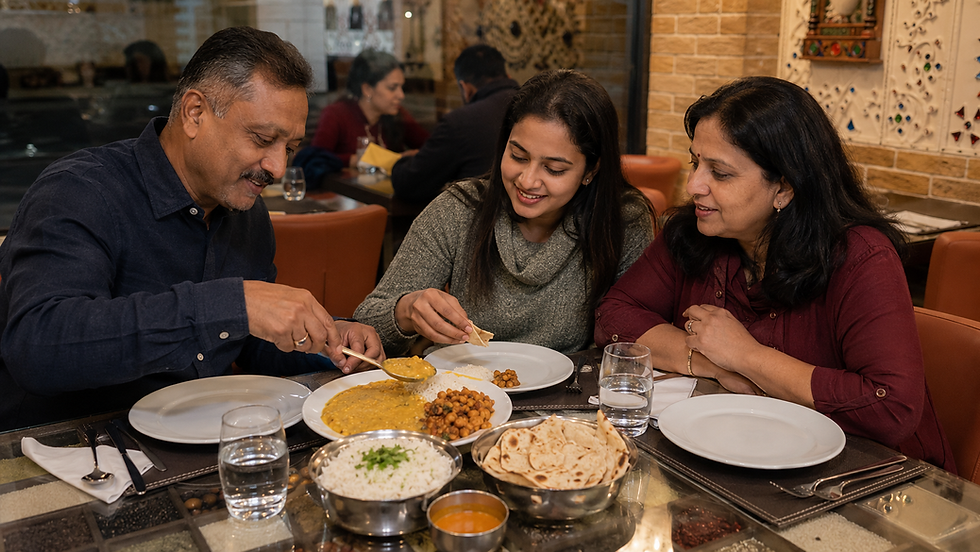
From thalis and lentil dishes to vegetable curries and regional specialities, guests can enjoy balanced meals that satisfy both appetite and wellbeing.
Consistent Quality
Kalpna remains committed to authentic Indian flavours and carefully prepared dishes that reflect the richness of traditional vegetarian cooking.
Vegetarian Indian Food vs Western Fast Food
Nutritional Density
Vegetarian Indian meals are often built around nutrient-rich ingredients such as vegetables, legumes, and grains rather than heavily processed components.
Fresh Ingredients
Traditional recipes rely on real ingredients rather than artificial additives and preservatives.
Balanced Meals
Indian cuisine naturally combines multiple food groups into a single meal, creating better nutritional balance.
Long-Term Health Benefits
A diet centred on whole foods is generally easier to maintain over time and supports healthier eating habits.
The Science Behind Indian Spices and Digestion
Modern nutritional research increasingly supports what traditional Indian cooking has practised for centuries.
Many spices stimulate digestive processes and contribute to overall gut health. Ingredients such as ginger, cumin, coriander, and turmeric contain compounds that may support digestion and reduce inflammation.
Researchers also continue to explore how spices interact with the gut microbiome and influence metabolic health.
Traditional Indian cooking often combines these spices thoughtfully, creating meals that are both flavourful and functional.
How Vegetarian Indian Food Supports Weight Management
Naturally Filling Meals
High fibre ingredients help create a feeling of fullness that may reduce unnecessary snacking.
Low in Processed Fats
Traditional cooking methods generally rely less on heavily processed ingredients.
Balanced Portions
Complete meals containing protein, fibre, and carbohydrates can help support healthier eating patterns.
Everyday Healthy Eating with Vegetarian Indian Food
One of the biggest advantages of vegetarian Indian cuisine is its practicality. It is easy to enjoy regularly without becoming repetitive.
The variety of vegetables, legumes, grains, and spices creates endless meal possibilities. Whether for lunch, dinner, or family gatherings, there are always new dishes to explore.
This diversity helps prevent diet fatigue and makes healthy eating easier to maintain over time.
Why More People in Edinburgh Are Choosing Vegetarian Indian Food
Growing health awareness is encouraging more people to reconsider their food choices. At the same time, interest in vegetarian and vegan lifestyles continues to expand.
Many diners are also developing a deeper appreciation for authentic global cuisines. Indian food offers the perfect combination of cultural richness, nutritional value, and exceptional flavour.
As a result, vegetarian Indian food continues to attract new audiences throughout Edinburgh, becoming an increasingly popular choice for health-conscious diners.
Conclusion
The health benefits of vegetarian Indian food go far beyond its reputation for flavour. Built around vegetables, lentils, grains, and spices, it provides a naturally balanced approach to eating that supports modern wellness goals.
From plant-based protein and digestive fibre to the remarkable indian spices health benefits found in traditional recipes, Indian cuisine offers a wide range of nutritional advantages. It proves that healthy food can be satisfying, diverse, and full of character.
As more people embrace healthier lifestyles, vegetarian Indian cuisine continues to gain popularity across Edinburgh. Kalpna remains proud to be part of that journey, serving authentic vegetarian dishes that celebrate both wellness and tradition.
Whether you are exploring plant-based eating for the first time or already enjoy a vegetarian lifestyle, discovering the benefits of authentic Indian cuisine can be a rewarding step towards healthier and more enjoyable dining.
Book your table today and discover why Kalpna has been one of Edinburgh's favourite destinations for authentic vegetarian and vegan Indian food for more than 40 years. Reserve in advance for weekends and group dining to enjoy the best experience.
FAQ
What are the health benefits of vegetarian Indian food?
Vegetarian Indian food is rich in plant protein, fibre, vitamins, minerals, and beneficial spices that support digestion, immunity, heart health, and overall wellbeing.
Is vegetarian Indian food good for weight loss?
Yes. Many traditional dishes are high in fibre and protein, helping you feel full for longer while being naturally lower in processed ingredients.
Why are Indian spices considered healthy?
Spices such as turmeric, ginger, cumin, coriander, and garlic contain natural compounds that may support digestion, reduce inflammation, and contribute to overall wellness.
Is vegetarian Indian food suitable for everyday eating?
Absolutely. It offers balanced nutrition through a combination of vegetables, legumes, grains, and spices, making it suitable for regular meals.
What makes Indian vegetarian food so nutritious?
It combines protein-rich lentils, fibre-rich vegetables, whole grains, and nutrient-dense spices into complete and satisfying meals.
Can vegetarian Indian food be vegan?
Yes. Many Indian dishes are naturally vegan, and others can often be adapted by replacing or removing dairy ingredients.
Which Indian dish is the healthiest?
Healthy options include dal tadka, chana masala, vegetable curry, idli, sambar, and mixed vegetable dishes prepared using traditional cooking methods.
Are lentils healthier than meat for protein?
Lentils provide plant-based protein along with fibre, vitamins, and minerals. They are naturally lower in saturated fat and are an important part of a balanced vegetarian diet.
How do Indian spices help digestion?
Many traditional spices stimulate digestive enzymes, support gut health, and help the body process food more efficiently.
Why is vegetarian Indian food becoming more popular in Edinburgh?
Growing health awareness, increased interest in plant-based diets, and demand for authentic global cuisine have made vegetarian Indian food increasingly popular among locals and visitors alike.


Comments