
The Power of Turmeric Health Benefits, Uses & Why It Matters in Indian Cooking


Few ingredients have earned as much attention in recent years as turmeric. Once known mainly as a staple spice in South Asian kitchens, turmeric has become a global wellness favourite, appearing in everything from health supplements to trendy café drinks. Yet for millions of people across India, turmeric has never been a trend. It has simply been part of everyday life for generations.
Known as the "golden spice" because of its vibrant yellow colour, turmeric has long played an important role in Indian cooking, traditional wellness practices, and cultural traditions. It adds depth, warmth, colour, and character to countless dishes while also contributing to the growing conversation around natural health and nutrition.
The connection between food and wellbeing has always been central to Indian cuisine. Many traditional recipes combine flavour with ingredients that have been valued for centuries. Turmeric sits at the heart of this philosophy, making it one of the most important ingredients in vegetarian indian food.
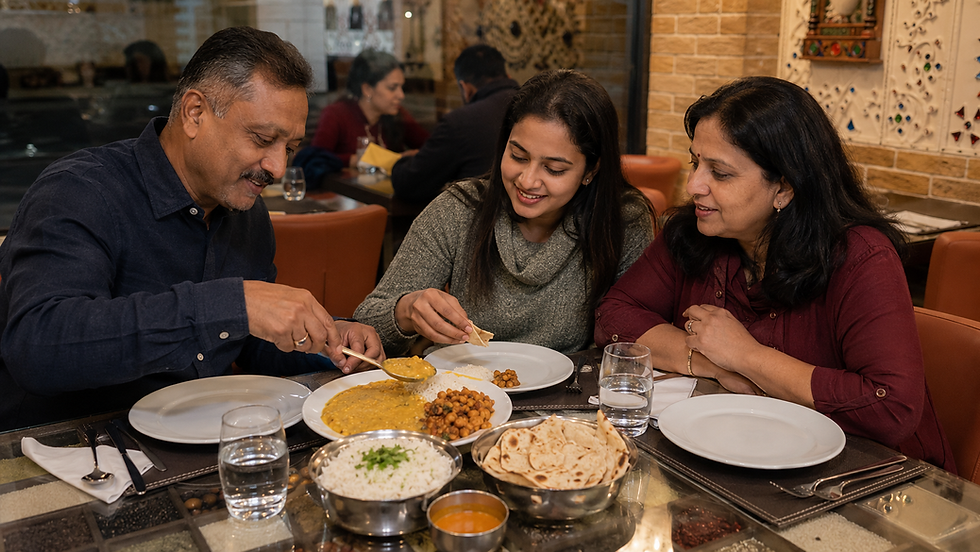
As more diners seek healthy and flavourful meals across restaurants Edinburgh, interest in authentic Indian spices continues to grow. At Kalpna Restaurant Edinburgh, traditional recipes showcase how carefully balanced spices, including turmeric, create dishes that are both satisfying and nourishing.
What Is Turmeric? A Simple Explanation
Turmeric is a bright yellow spice made from the root of the Curcuma longa plant, a member of the ginger family. Native to South Asia, it has been cultivated and used for thousands of years in cooking, traditional medicine, and cultural ceremonies.
The turmeric root looks somewhat similar to ginger but has a deep orange-yellow colour inside. It can be used fresh, grated directly into dishes, or dried and ground into the familiar powder commonly found in kitchens worldwide.
Its flavour is earthy, slightly bitter, and mildly peppery, making it an ideal ingredient for balancing complex spice blends. Unlike stronger spices that dominate a dish, turmeric works quietly in the background, enhancing flavour while contributing colour and aroma.
In Indian households, turmeric is often considered an essential pantry ingredient. It appears in everyday meals, festive dishes, and family recipes that have been passed down through generations.
Why Turmeric Is So Important in Indian Cooking
Turmeric is one of the first spices added to many Indian dishes. Whether preparing curries, lentils, vegetables, or rice, cooks often begin by adding a small amount of turmeric to build flavour and colour.
Its role extends beyond appearance. Turmeric helps create balance within spice blends and complements ingredients such as cumin, coriander, ginger, garlic, and chilli.
Many traditional Indian recipes would feel incomplete without it. The familiar golden colour of many curries comes directly from turmeric, giving dishes their inviting appearance.
Beyond culinary uses, turmeric also holds significance in Ayurvedic traditions, where it has been valued for centuries as part of a balanced lifestyle. This connection between flavour and wellbeing continues to shape how turmeric is used today.
At any authentic indian restaurant Edinburgh, turmeric remains one of the foundational ingredients that contribute to the distinctive character of Indian cuisine.
Top Health Benefits of Turmeric
Turmeric's growing popularity is largely due to the numerous health-supporting properties associated with its active compounds.
1. Powerful Anti-Inflammatory Properties
Turmeric contains compounds that may help support the body's natural response to inflammation. This is one of the most widely discussed aspects of turmeric research.
2. Rich in Antioxidants
Antioxidants help protect cells from oxidative stress caused by free radicals. Turmeric naturally contains antioxidant compounds that contribute to overall wellbeing.
3. Supports Joint Health
Many people include turmeric in their diets because it is commonly associated with supporting mobility and joint comfort.
4. Boosts Immune System
One reason turmeric is valued in traditional cooking is its connection to immune support. It has long been included in meals intended to promote everyday wellness.
5. Aids Digestion
Turmeric has traditionally been used to support healthy digestion and may help maintain digestive comfort when included as part of a balanced diet.
6. May Improve Brain Function
Researchers continue to study turmeric's potential role in supporting cognitive health and healthy ageing.
7. Supports Heart Health
A balanced diet rich in plant-based foods and spices such as turmeric may contribute to overall cardiovascular wellness.
These benefits help explain why discussions around indian spices health benefits continue to attract attention from both researchers and health-conscious consumers.
The Science Behind Turmeric's Benefits
Much of turmeric's reputation comes from a naturally occurring compound called curcumin. Curcumin is responsible for many of the properties that have made turmeric the focus of scientific interest.
Researchers have spent years studying curcumin because of its antioxidant and anti-inflammatory potential. While studies continue, the growing body of research has helped support many traditional beliefs surrounding turmeric.
One interesting aspect of curcumin is that it can be difficult for the body to absorb on its own. This is where black pepper becomes important. Black pepper contains a compound called piperine, which can significantly improve curcumin absorption.
Interestingly, traditional Indian cooking often combines turmeric and black pepper naturally, demonstrating how centuries of culinary wisdom frequently align with modern nutritional science.
How Turmeric Is Used in Everyday Indian Food
One reason turmeric remains so popular is its versatility. It can be used in a wide variety of dishes without overwhelming other ingredients.
Curries and Gravies
Turmeric forms part of the flavour foundation for countless curries and sauces. It adds warmth, colour, and depth to dishes.
Lentil Dishes (Dal)
Lentil-based meals often include turmeric to enhance both appearance and flavour. It complements the earthy character of lentils perfectly.
Rice Preparations
Turmeric rice and certain biryani variations use turmeric to create a vibrant colour and subtle flavour profile.
Vegetable Dishes
Many vegetable curries and stir-fries rely on turmeric for added complexity and visual appeal.
Spice Blends
Turmeric is a common component of curry powders and spice mixtures used throughout Indian cooking.
Why Vegetarian Indian Food Naturally Includes Turmeric
Spices play an especially important role in vegetarian indian food because they provide depth and variety without relying on meat-based ingredients.
Turmeric helps enhance vegetables, lentils, legumes, and grains while contributing its distinctive colour. It works particularly well in plant-based meals because it complements ingredients such as chickpeas, potatoes, spinach, cauliflower, and beans.
Traditional Indian cooking has always embraced the idea that food should nourish as well as satisfy. This philosophy helps explain why turmeric remains such a central ingredient in vegetarian cuisine.
Rather than treating spices as simple flavourings, Indian cooking often views them as valuable components of a balanced meal.
Turmeric in Modern Wellness Trends
Turmeric's popularity has expanded far beyond traditional Indian cuisine. It now appears in wellness products, nutritional supplements, smoothies, and health-focused drinks around the world.
Golden milk, turmeric lattes, and turmeric supplements have become increasingly common as consumers seek natural alternatives to highly processed products.
Social media has also contributed to turmeric's rise by highlighting its reputation as a natural wellness ingredient. While some trends come and go, turmeric's popularity has endured because it is backed by centuries of culinary use.
Many restaurants Edinburgh have noticed growing interest in plant-based meals and ingredients associated with wellness, making turmeric more relevant than ever.
Why Indian Restaurants in Edinburgh Use Turmeric Authentically
Authentic Indian cuisine depends on balance. Turmeric is not used in isolation but rather as part of carefully crafted spice combinations that work together to create depth and harmony.
Traditional Indian restaurants understand the importance of using turmeric correctly. Too little can reduce flavour complexity, while too much may overpower other ingredients.
An experienced indian restaurant Edinburgh focuses on maintaining these traditional balances, ensuring dishes remain true to their cultural roots while delivering exceptional flavour.
Fresh preparation methods also help preserve the character of turmeric and other spices, creating meals that feel vibrant and authentic.
What Makes Turmeric a Super Spice?
Natural Healing Properties
Turmeric has been valued for generations because of its connection to traditional wellness practices and everyday health.
Everyday Accessibility
Unlike many wellness products, turmeric is affordable and easy to include in regular meals.
Versatility
Few ingredients can move so easily between savoury dishes, soups, rice meals, beverages, and spice blends.
Affordable Wellness Ingredient
Turmeric offers an accessible way for people to incorporate flavour and potential nutritional benefits into their daily routines.
These qualities have helped establish turmeric as one of the world's most recognised natural ingredients.
How Kalpna Uses Authentic Spices in Its Cooking
At Kalpna Restaurant Edinburgh, authentic Indian cooking begins with traditional ingredients and carefully balanced spice profiles.
Traditional Recipes
Recipes draw inspiration from established Indian cooking traditions that prioritise flavour, freshness, and balance.
Balanced Spice Profiles
Turmeric works alongside cumin, coriander, ginger, garlic, and other spices to create complex but approachable flavours.
Fresh Ingredient Approach
Vegetables, legumes, herbs, and spices are selected carefully to maintain consistency and quality.
Vegetarian Focus
Because the menu centres on vegetarian indian food, spices play a vital role in creating depth, richness, and variety throughout the dining experience.
This commitment to authenticity helps preserve the true character of Indian cuisine.
Simple Ways to Add Turmeric to Your Diet
Adding turmeric to daily meals does not require major dietary changes.
In Curries and Soups
A small amount can enhance flavour and colour while complementing vegetables and legumes.
In Rice Dishes
Turmeric pairs beautifully with rice, creating simple and flavourful side dishes.
In Warm Drinks
Golden milk and turmeric-infused beverages remain popular options for those looking to incorporate turmeric into their routines.
In Vegetable Stir-Fries
Adding turmeric to vegetables can provide extra depth without overpowering natural flavours.
In Lentil-Based Meals
Turmeric and lentils have been paired together in Indian cooking for centuries for good reason.
Potential Precautions and Balanced Use
Although turmeric is generally considered safe when consumed as part of normal food preparation, moderation remains important.
Different individuals may absorb and process turmeric differently. Those considering concentrated supplements should consult qualified healthcare professionals.
For most people, the best approach is simply to enjoy turmeric as part of a balanced and varied diet that includes plenty of whole foods.
Why Turmeric Matters in Vegetarian Indian Food Culture
Turmeric is more than just a spice. It represents a long-standing connection between food, tradition, and wellbeing.
Its golden colour is instantly recognisable, and its presence can be found in countless family recipes across India. It helps define the flavour profile of many dishes while symbolising the broader philosophy that food should nourish both body and mind.
Within vegetarian indian food, turmeric remains one of the most important ingredients because it supports flavour, appearance, and cultural identity all at once.
Why Edinburgh Diners Are Embracing Spiced Indian Cuisine
Edinburgh's dining scene continues to evolve as people become more adventurous with food choices and more aware of the relationship between diet and wellbeing.
The growing popularity of vegetarian and vegan lifestyles has encouraged diners to explore cuisines that naturally offer plant-based options. Indian food fits perfectly into this trend because it combines flavour, variety, and nutritional value.
Interest in authentic ingredients such as turmeric has also increased as people learn more about traditional cooking methods and global food cultures.
As a result, spice-rich Indian cuisine continues to attract new audiences across restaurants Edinburgh.
Conclusion
Turmeric has earned its reputation as a golden spice for good reason. Deeply rooted in Indian culinary traditions, it brings colour, flavour, and character to countless dishes while also attracting attention for its potential health-supporting properties.
From its role in curries and lentil dishes to its place in modern wellness conversations, turmeric remains one of the most valuable ingredients in vegetarian indian food. Its popularity reflects a growing appreciation for ingredients that combine tradition, flavour, and nutritional value.
As more people embrace healthier and more plant-focused lifestyles, turmeric continues to stand out as a simple yet powerful ingredient. At Kalpna Restaurant Edinburgh, authentic Indian cooking celebrates this tradition every day, using carefully balanced spices to create meals that are both satisfying and memorable.
For anyone interested in exploring the benefits of traditional Indian ingredients, turmeric offers the perfect place to start.
Reserve your table today and enjoy an unforgettable dining experience where tradition, flavour, and hospitality come together in every bite. We recommend booking in advance for weekends, evenings, and larger groups to ensure your preferred seating.
FAQ
What are the health benefits of turmeric?
Turmeric is known for its anti-inflammatory, antioxidant, digestive, and immune-supporting properties. It is one of the most researched spices in the world.
Why is turmeric used in Indian food?
Turmeric adds colour, flavour, and depth to dishes while also playing an important role in traditional Indian cooking and wellness practices.
Is turmeric good for digestion?
Yes. Turmeric has traditionally been used to support healthy digestion and may help maintain digestive comfort when included in regular meals.
How does Indian food use turmeric?
Turmeric is commonly added to curries, lentils, rice dishes, vegetable preparations, soups, and spice blends.
Is turmeric safe to consume daily?
Yes. Turmeric is commonly consumed daily in Indian diets through normal food preparation and is generally considered safe in culinary amounts.
Why is turmeric called a super spice?
Turmeric contains curcumin, a naturally occurring compound associated with antioxidant and anti-inflammatory properties, making it one of the most valued spices globally.
What is curcumin?
Curcumin is the active compound found in turmeric that is responsible for many of its widely studied health-supporting properties.
Does black pepper improve turmeric absorption?
Yes. Black pepper contains piperine, which can significantly increase the body's ability to absorb curcumin.
Can turmeric be used in vegetarian diets?
Absolutely. Turmeric is a key ingredient in vegetarian Indian cuisine and works particularly well with vegetables, lentils, legumes, and grains.
Why is turmeric important in Indian culture?
Beyond cooking, turmeric has been used in traditional wellness practices, celebrations, and cultural ceremonies throughout India for centuries.


Comments